A Practical Review of the Settings and Options Graphics Icon Set
First Impressions for the Seller’s Eye
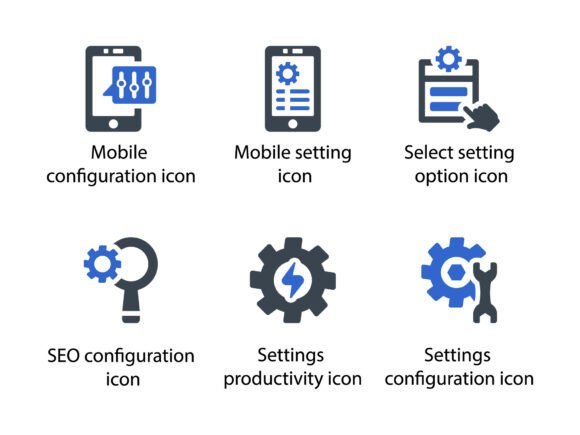
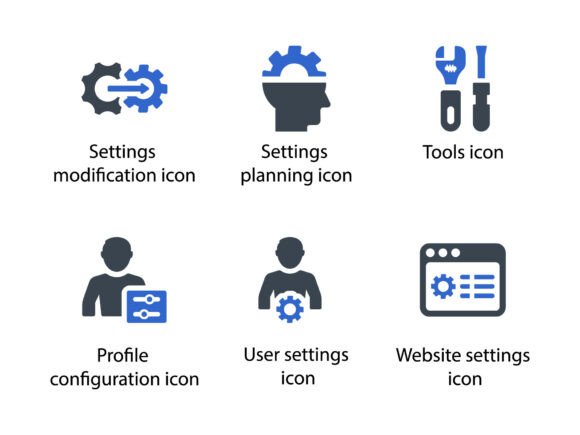
When you download a graphic design asset for commercial use, the first question isn’t about beauty—it’s about fit. Does this asset fit my shop’s vibe, my customer’s expectations, and my product’s practical needs? Opening the Settings and Options Icon Set 5, the immediate impression is clean and modern. These are meticulously crafted glyph icons, not playful or decorative, but professional and direct. Their visual personality leans toward premium tech, straightforward business tools, and minimal branding. This isn’t a rustic or festive set; it’s a commercial-grade asset that communicates clarity and function.
The niche appeal here is strong for sellers targeting clients who value precision. Think of small business owners looking for clean branding elements, digital product creators needing interface symbols for their templates, or content creators wanting sharp visuals for instructional materials. The mood is quietly confident, which can elevate a product’s perceived value.
Real Product Applications for Your Shop
Let’s get practical. You’re preparing a new digital download collection for Etsy or a bundle for your Creative Fabrica shop. How can this icon set translate into sellable products?
Core Digital and Printable Products
The most straightforward applications are as standalone digital products. You could package these icons as a refined SVG design pack or a PNG clipart bundle for designers. But their real power is as components within larger products. For example:
- Integrate them into Canva template kits for social media graphics or blog graphics, where users need clean icons for visual hierarchy.
- Use them as decorative elements in printable wall art with a modern tech theme, perhaps paired with a crisp sans serif font.
- Create minimalist planner stickers or greeting card templates where a simple settings icon adds a touch of contemporary style.
- Build them into presentation template packs or infographic kits—their glyph nature is perfect for data visualization.
Merchandise and Physical Goods
For print-on-demand sellers or crafters, these icons work well as subtle graphics. They are not typically large, bold t-shirt designs, but they excel as accent graphics.
- A single, well-placed icon could be a sophisticated mug design or a subtle tote bag print for a tech-focused audience.
- For Cricut projects, like creating vinyl decals for tech accessories or minimalist nursery prints, the clean lines are ideal if the SVG cut quality is precise.
- They could serve as functional elements in packaging design or branding for a handmade business selling digital tools.
Testing Before You List: A Seller’s Checklist
Never assume an asset will work. Before you publish a listing using these icons, run them through real-world tests.
Presentation and Mockup Testing
First, test how the asset looks in your product presentation. This directly affects click-through potential and customer trust.
- Create several product mockups. Place an icon on a t-shirt mockup, a mug, and a digital template preview. Does it hold its visual weight?
- Preview it as a marketplace thumbnail. Scale it down to see if it remains recognizable or becomes a vague blob.
- Check it on both white and dark backgrounds. Some glyph icons can disappear on dark surfaces if the contrast isn’t strong.
- Test print colors if you’re offering physical products. Print a sample to ensure the colors render as expected.
Technical and Usability Checks
Next, verify the practical details that customers will scrutinize.
- For PNG files, verify the transparency works correctly in your editing software.
- For SVG designs intended for Cricut or Silhouette projects, inspect the cut quality in your software. Are the paths closed and clean?
- Confirm the file resolution is sufficient for large prints if you’re using them in printable products.
- Organize the files clearly for your customers. A well-structured download enhances perceived value.
Creative Pairing and Licensing
Finally, explore creative combinations and confirm the legal foundation.
- Pair the icons with different font styles. Try a bold sans serif for a modern look, a delicate script for contrast, or a classic serif for a professional hybrid. See what resonates.
- Most importantly, confirm the commercial license of the original asset. Only sell finished products if you have clear rights to do so.
Where This Icon Set Works Best
Based on its style, the Settings and Options Icon Set 5 excels in specific commercial scenarios.
- Large Product Previews: When shown at a decent size in listing images, their detail and precision are appealing.
- Themed Bundles: Combine them with other modern graphics to create a cohesive digital product bundle for web or print design.
- Digital Downloads: They are perfect as components in website template kits, social media template packs, or presentation assets.
- Branding Projects: For small business branding projects, these icons can contribute to a consistent, professional brand identity.
Where to Use with Care
Understanding limitations prevents product failures. Here are areas to approach cautiously.
- Tiny Details: Avoid using them for tiny sticker details where intricate lines might get lost.
- Overly Complex Layouts: In crowded thumbnails or text-heavy templates, their simplicity might get overwhelmed.
- Low-Resolution Products: If you’re offering low-res print products, the fine lines may not render well.
- Cutting Projects: For intricate Cricut projects, always test a cut first to ensure the SVG paths are suitable for your machine.
Final Thoughts for the Creative Entrepreneur
Evaluating the Settings and Options Icon Set 5 from a seller’s perspective, its value is in its versatility and professionalism. It’s not a flashy asset, but a reliable one. For building a more professional-looking online product collection—whether on Etsy, Shopify, or a print-on-demand platform—this set provides a foundation of clean, commercial design assets.
Use it to enhance product mockups, to create visual storytelling in your listings, and to offer customers refined graphics for their own projects. The key is to treat it as a component, not a standalone hero. Test it thoroughly, pair it thoughtfully, and integrate it into products that serve a clear, functional need for your audience. That’s how a good graphic design asset becomes a great digital product for your shop.